


The fashion industry is known as one of the world’s biggest polluters. However, in recent years, the environmentally friendly and sustainable fashion movement has become increasingly important. Eco-friendly fabrics and sustainable production techniques are at the heart of this movement. In this blog post, we will provide information about environmentally friendly fabric types and sustainable production methods.
Eco-Friendly Fabrics
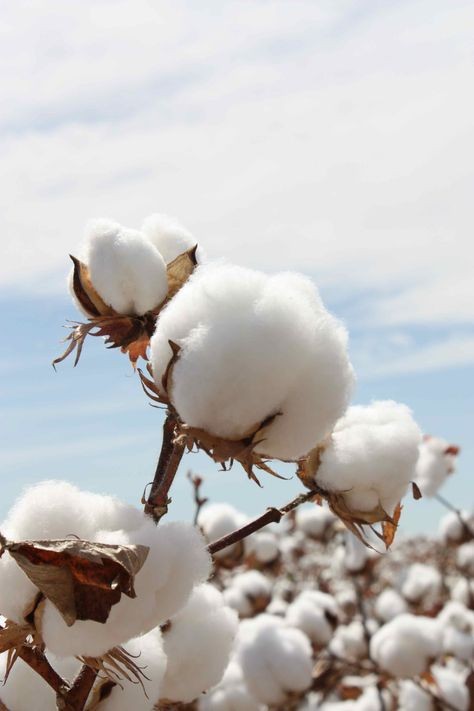
1. Organic Cotton:
o Features: Obtained from cotton plants grown without the use of chemical fertilizers and pesticides.
o Advantages: Protects soil, saves water and protects the health of farmers.
o Areas of Use: Clothing, home textiles, baby products.
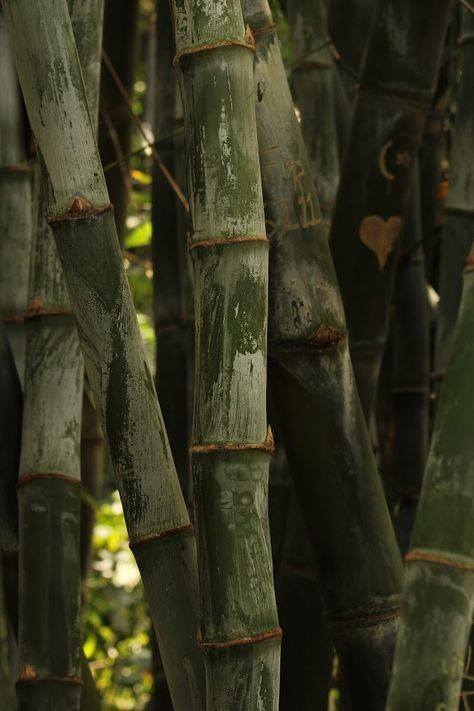
2. Bamboo:
o Features: Obtained from a fast-growing and naturally antibacterial plant.
o Advantages: It consumes less water, is a renewable resource and is naturally organic.
o Areas of Use: Clothing, underwear, sportswear.
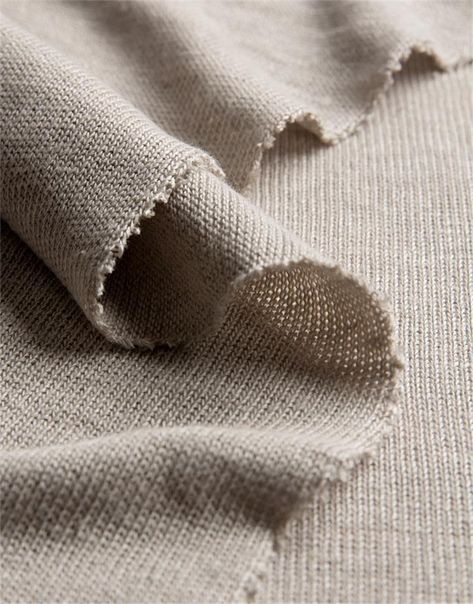
3. Hemp:
o Features: Durable, breathable and biodegradable.
o Advantages: Requires less water and agricultural chemicals, enriches the soil.
o Areas of Use: Clothing, shoes, bags.
4. Tencel (Lyocell):
o Features: Made from cellulose fibers obtained from sustainable forests.
o Advantages: The production process is environmentally friendly, biodegradable.
o Areas of Use: Clothing, home textiles, sportswear.

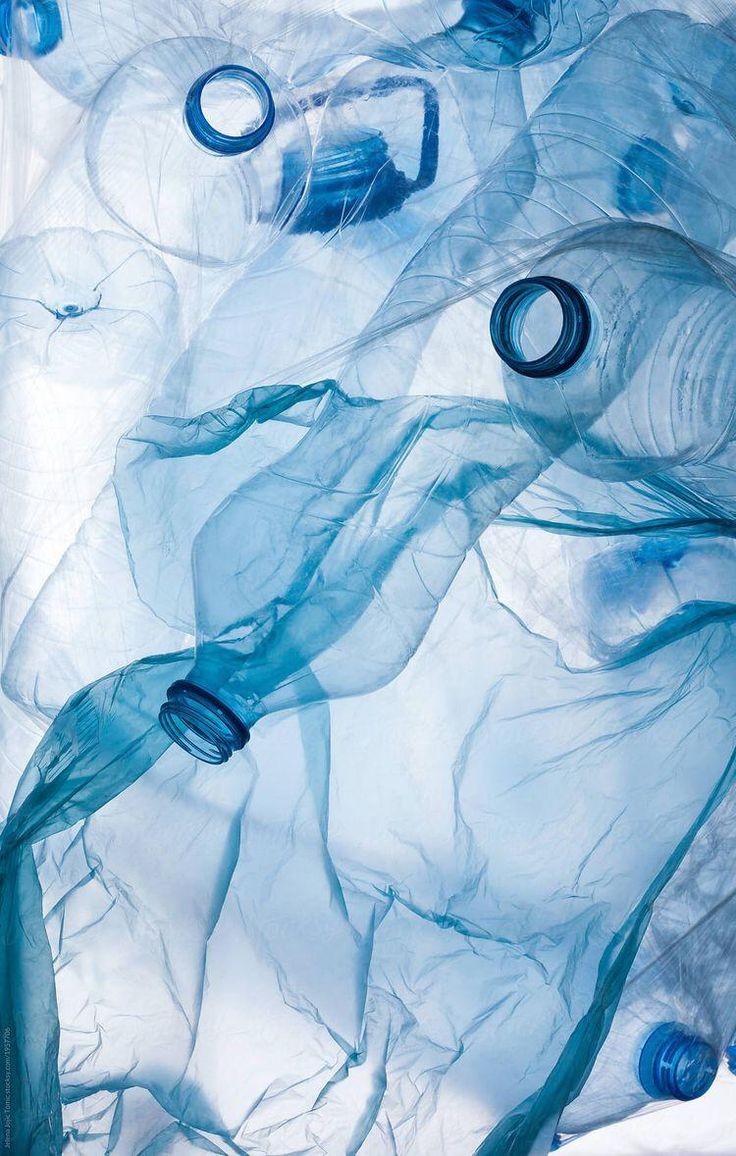
5. Recycled Polyester:
o Features: Obtained from used plastic bottles and waste polyester.
o Advantages: Reduces waste and saves energy.
o Areas of Use: Sportswear, outerwear, accessories.
Sustainable Production Techniques
1. Water Saving Techniques:
o Description: Production methods that minimize water consumption.
o Examples: Innovative dyeing and washing techniques, water recycling systems.
o Benefits: Helps protect water resources and reduces production costs.
2. Energy Efficiency:
o Description: These are methods that aim to reduce energy consumption in the production process.
o Examples: Use of renewable energy sources, energy efficient machinery.
o Benefits: Reduces carbon footprint, reduces energy costs.
3. Waste Management and Recycling:
o Description: Minimizing and recycling the waste generated during production.
o Examples: Reuse of waste fabrics, targeting zero waste in the production process.
o Benefits: Reduces waste and enables more efficient use of raw materials.
4. Fair Trade and Ethical Production:
o Description: Production processes that respect the rights of employees and comply with ethical standards.
o Examples: Fair wages, safe working conditions, prevention of child labor.
o Benefits: Increases the quality of life of employees and supports social sustainability.
5. Reducing Carbon Footprint:
o Description: These are methods that aim to reduce the amount of greenhouse gases released during the production process.
o Examples: Low-carbon transportation methods, energy-efficient production processes.
o Benefits: Contributes to the fight against global warming and climate change.
Eco-friendly fabrics and sustainable production techniques play a critical role in reducing the environmental impact of the fashion industry. Fabrics such as organic cotton, bamboo, hemp, Tencel and recycled polyester offer both eco-friendly and high-quality options. Sustainable production methods such as water-saving techniques, energy efficiency, waste management and recycling allow fashion production to take place in a greener and more ethical way.
By joining the sustainable fashion movement, you can both protect the environment and become a more conscious consumer. Being a part of this movement not only protects nature, but also helps to leave a cleaner and more livable world for the future. With the increasing interest in sustainable fashion, it will be inevitable for the fashion industry to take steps in this direction and offer more environmentally friendly solutions.